Industrial Safety Audit Checklist: 15 Things Every Workplace Should Check
Industrial workplaces face safety risks every day. Moving machinery, electrical systems, chemicals, and heavy loads can cause serious injuries. Therefore, every organization needs a clear plan to manage these risks.
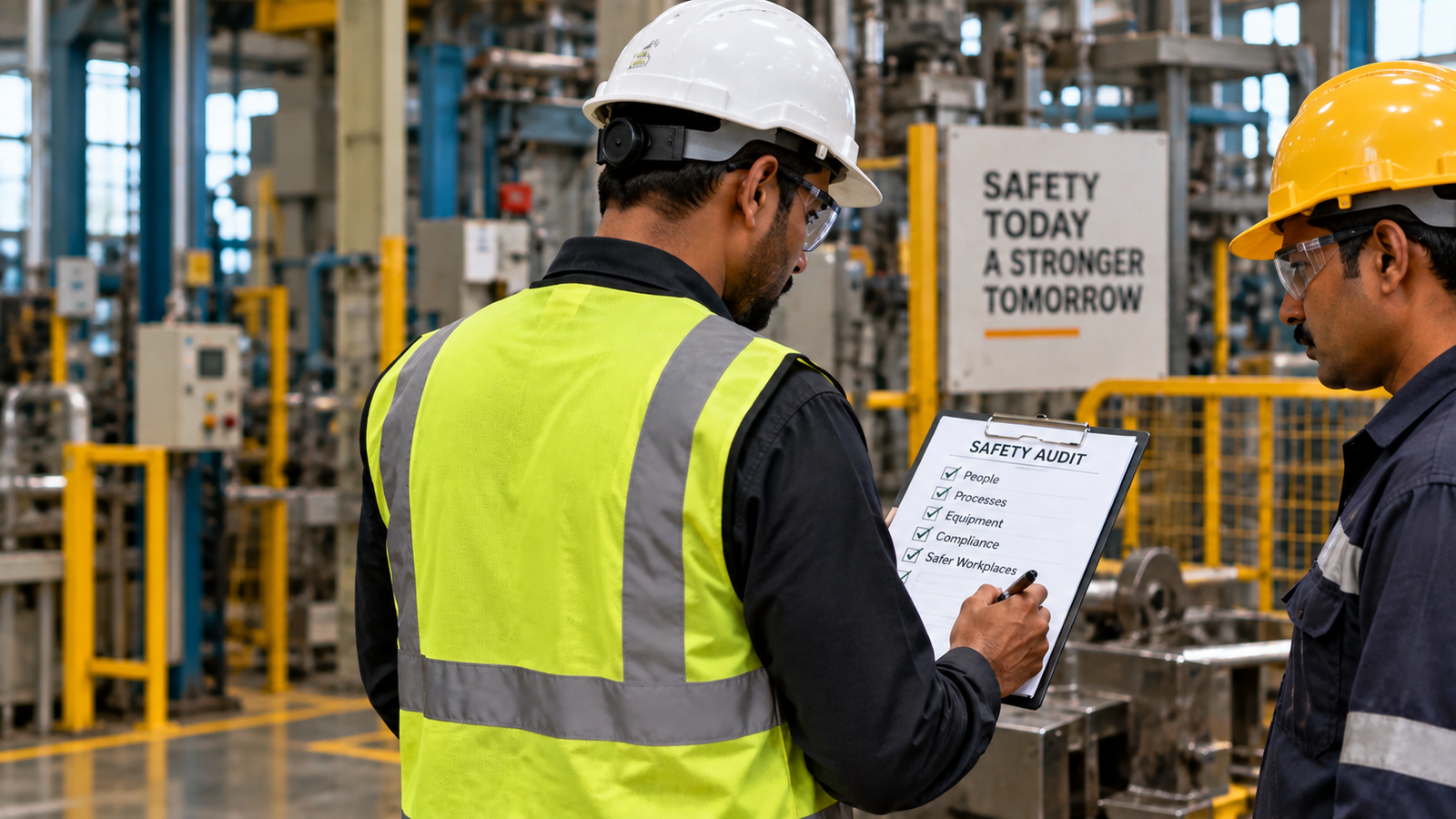
An industrial safety audit helps teams identify hazards and review safety measures. In addition, it highlights gaps that routine inspections may miss.
However, an audit should do more than identify problems. It should help teams take action and prevent future incidents.
In this guide, we cover 15 essential checks for a safer workplace. You can use this checklist to review your current safety practices and identify areas for improvement.
What Is an Industrial Safety Audit?
An industrial safety audit is a structured review of workplace safety practices, equipment, and procedures. It checks whether an organization manages hazards effectively.
During an audit, safety teams inspect work areas, review records, and speak with employees. They also check whether workers follow established safety procedures.
As a result, organizations can identify gaps and plan corrective actions. Regular audits also help managers track safety improvements over time.
Why Does Your Workplace Need a Safety Audit?
A workplace safety audit offers several practical benefits. For example, it helps organizations find hazards and improve existing safety measures.
Here are five key benefits:
Identify hazards early: Teams can spot unsafe conditions before they cause incidents.
Check safety controls: Audits help confirm whether existing measures work as intended.
Improve employee training: Reviews can reveal gaps in workers’ safety knowledge.
Track corrective actions: Managers can monitor progress and address open issues.
Build a safety culture: Regular reviews encourage employees to take safety seriously.
However, an audit only adds value when teams act on its findings. Organizations should assign responsibilities and monitor progress after every review.
Industrial Safety Audit Checklist: 15 Essential Checks
A checklist provides a useful starting point. However, a structured process helps teams get better results. As a result, teams can identify gaps and take action in a clear, organized way.
1. Personal Protective Equipment (PPE)
Check whether employees have suitable personal protective equipment. Inspect helmets, safety shoes, gloves, goggles, and hearing protection.
Also, confirm that workers use the correct equipment for each task. Replace damaged or unsuitable PPE without delay.
2. Machine Guarding
Inspect machinery for missing or damaged guards. Check whether moving parts create pinch points or entanglement risks.
Additionally, verify that workers follow safe operating procedures. Review isolation and lockout procedures before maintenance work.
3. Electrical Safety
Look for damaged cables, exposed conductors, and unsafe connections. Check electrical panels for clear access and proper identification.
Furthermore, review inspection records and electrical safety procedures. Qualified personnel should address electrical defects promptly.
4. Fire Safety Equipment
Inspect fire extinguishers, alarms, hydrants, and other fire protection systems. Check their condition, accessibility, and inspection records.
Also, ensure that employees know how to report a fire. Keep emergency exits and firefighting equipment free from obstructions.
5. Emergency Exits and Evacuation Routes
Walk through the workplace and inspect every evacuation route. Check exit signs, emergency lighting, and access to escape doors.
Meanwhile, confirm that employees understand the evacuation plan. Review drill records and address any issues found during exercises.
6. Chemical Storage and Handling
Check chemical labels, safety data sheets, and storage arrangements. Confirm that incompatible substances remain properly separated.
In addition, inspect spill control equipment and required protective measures. Train employees to handle chemicals safely and report leaks.
7. Housekeeping and Walkways
Inspect floors, aisles, stairs, and workstations for hazards. Look for spills, loose cables, clutter, and uneven surfaces.
Good housekeeping reduces slip, trip, and fall risks. Therefore, assign clear responsibilities for cleaning and waste removal.
8. Material Handling and Lifting Equipment
Inspect forklifts, hoists, cranes, and other lifting equipment. Review maintenance records and required examination reports.
Also, check load limits and operating conditions. Ensure that only trained and authorized workers operate the equipment.
9. Fall Protection
Identify work areas with open edges, elevated platforms, or fall risks. Inspect guardrails, access ladders, and suitable fall protection equipment.
Furthermore, check whether workers receive task-specific training. Review procedures for working at height and emergency rescue.
10. Employee Training and Competency
Review training records for employees and contractors. Check whether workers understand the hazards linked to their tasks.
New employees may need additional induction before starting work. Similarly, teams may need refresher training after changes in equipment or procedures.
11. First Aid and Medical Response
Check first-aid supplies, emergency contacts, and response arrangements. Confirm that designated personnel have suitable training.
Also, review incident records for recurring injury patterns. These records can reveal areas that need stronger preventive measures.
12. Safety Signs and Hazard Communication
Inspect warning signs, mandatory instructions, and hazard labels. Make sure signs remain visible and easy to understand.
Replace missing or damaged signs when necessary. In addition, use clear instructions in areas with specific risks.
13. Incident Reporting and Investigation
Review records of accidents, near misses, and unsafe conditions. Check whether teams investigate incidents and identify root causes.
However, recording an incident alone does not prevent another one. Assign corrective actions and verify that teams complete them.
14. Safety Procedures and Documentation
Check whether current procedures match actual workplace activities. Review risk assessments, inspection records, permits, and maintenance logs.
Furthermore, confirm that employees can access relevant instructions. Update documents whenever equipment, processes, or working conditions change.
15. Corrective Actions and Follow-Up
Review findings from previous audits and inspections. Check whether responsible teams completed the agreed actions.
Prioritize issues based on their risk and potential consequences. Set clear deadlines and verify that each correction works.
How to Conduct an Effective Industrial Safety Audit
A checklist provides a useful starting point. However, a structured process helps teams get better results.
Step 1: Define the Audit Scope
Identify the areas, equipment, and activities that need review. Also, consider the risks linked to each operation.
Step 2: Prepare the Checklist
Include relevant hazards, safety controls, records, and applicable requirements. Adapt the checklist to your workplace and industry.
Step 3: Inspect the Workplace
Observe actual working conditions and speak with employees. Look for hazards that documents alone may not reveal.
Step 4: Record the Findings
Document each issue clearly and include supporting details. Use photos or inspection records where appropriate and permitted.
Step 5: Prioritize the Risks
Assess each finding based on its severity and potential consequences. Address serious and urgent hazards first.
Step 6: Assign Corrective Actions
Give each action a responsible person and a target completion date. Also, explain what changes the team must make.
Step 7: Verify the Results
Inspect the affected area after the team completes its work. Confirm that the corrective measures address the original issue.
Finally, share the findings with relevant managers and workers. This helps everyone understand their responsibilities.
Common Mistakes to Avoid During a Safety Audit
Even well-planned audits can miss important issues. Therefore, teams should avoid these common mistakes.
Checking documents only: Inspect actual working conditions instead of relying on paperwork alone.
Treating audits as a formality: Investigate hazards and take action on every important finding.
Ignoring near misses: Review near misses to identify risks before serious incidents occur.
Leaving actions unassigned: Give each corrective action a clear owner and deadline.
Skipping follow-up checks: Verify that completed actions resolve the original problem.
Overlooking employee feedback: Ask workers about hazards they face during daily tasks.
Most importantly, do not treat an audit as a one-time activity. Regular reviews help organizations respond to changing risks and improve workplace safety.
How ViDe Turnkey Solutions Can Support Workplace Safety
A safer workplace needs suitable equipment, clear procedures, and regular reviews. Organizations should address these areas together to manage workplace risks.
ViDe Turnkey Solutions supports organizations with personal protective equipment, industrial safety equipment, fire safety solutions, and safety audit services.
Our team can help you review your safety needs and identify practical areas for improvement. The right approach depends on your workplace, operations, and risk profile.
If your organization wants to strengthen its safety practices, contact ViDe Turnkey Solutions to discuss your requirements.
Final Thoughts
An industrial safety audit helps organizations identify gaps before they lead to serious incidents. It also gives teams a practical way to track improvements.
Use this 15-point checklist during your next workplace review. Then, assign corrective actions and follow up on important findings.
Remember, workplace safety improves when people identify hazards, take action, and review the results. A consistent approach can help build a safer working environment for everyone.
Need a Safety Audit for Your Workplace?
Identify safety gaps. Strengthen workplace protection.
ViDe Turnkey Solutions LLP provides professional safety audit and compliance services designed to help organizations identify hazards, assess risks and support safer workplace operations.